1915
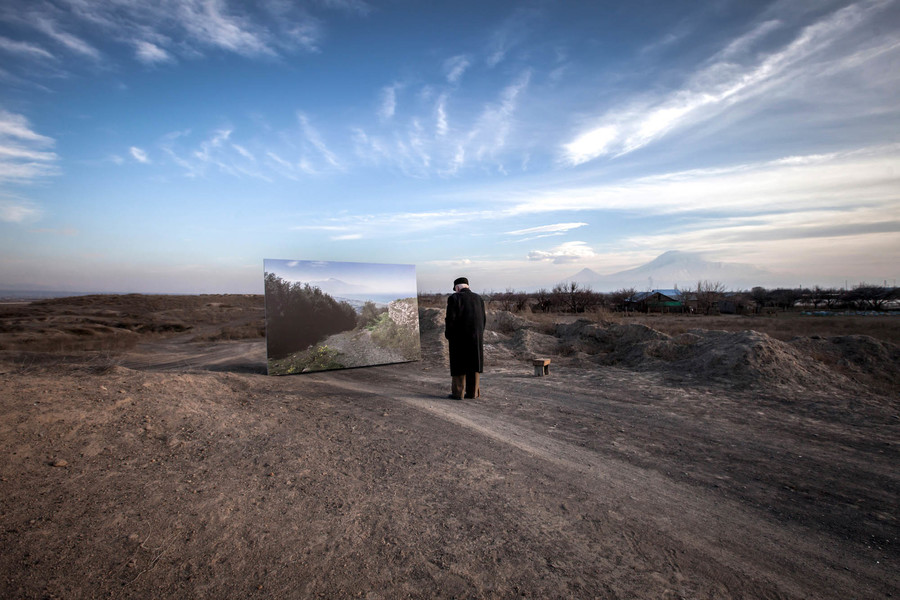
Holding a cane in his right hand, Movses Haneshyan, 105, slowly approaches a life-size landscape.
He pauses, looks at the image, and begins to sing: “My home... My Armenia.”
It’s the first time Movses is seeing his home in 98 years.
A century ago, the Ottomans initiated a policy of deportations, mass murder and rape to destroy the Armenian presence in the Ottoman Empire. By the war’s end, more than a million people, from what is now modern-day Turkey, were eliminated.
This is his story, and those of other survivors.
A story of home — everything they had, everything they lost. And what they have found again.
2015

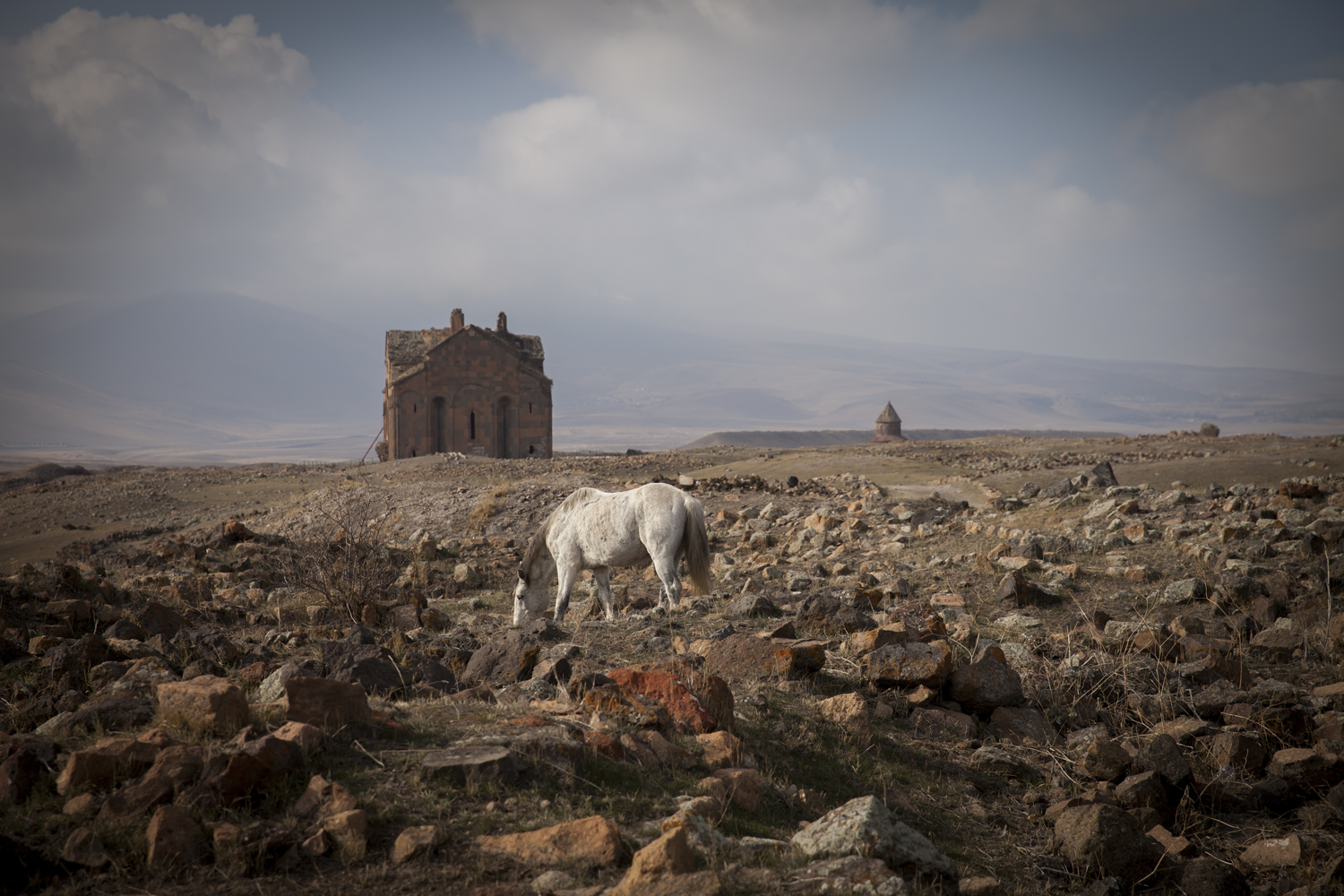
Once the capital of an ancient Armenian Kingdom, Ani, was known as the 'city of 1,001 churches.' After the genocide, Turkey cut Armenia from its history, with no mention of who built or inhabited it. Today, the city remains abandoned, apart from the occasional presence of Turkish border guards.
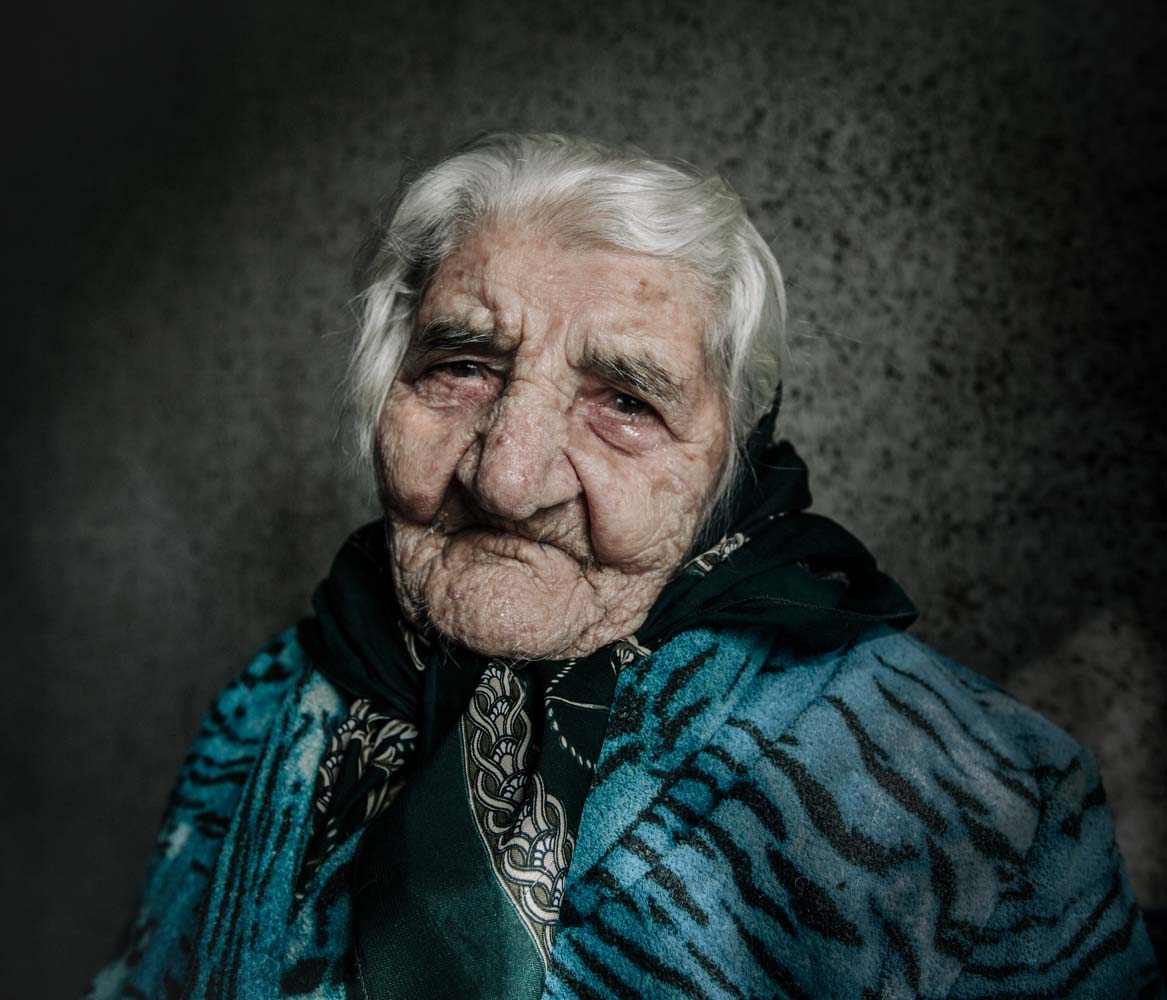
Yepraksia Gevorgyan, now 108, escaped by crossing the river to what is now present-day Armenia. She watched the Ottomans kill the Armenians, throwing their bodies into the water, which she described as 'red, full of blood.'
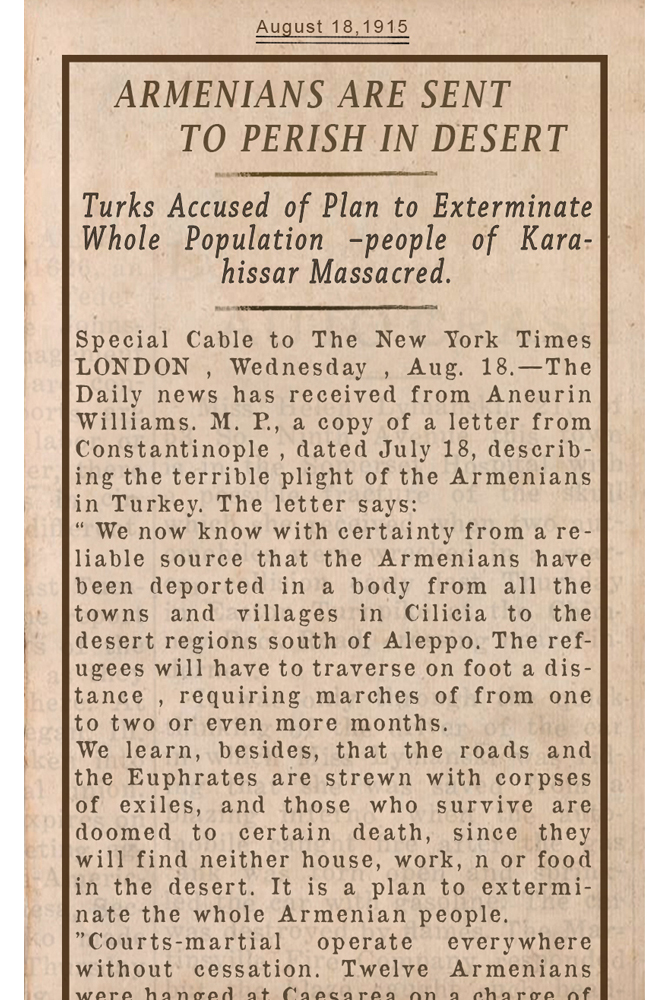
During the early series of deportations and massacres, The New York Times suggested there was already a 'policy of extermination directed against the Christians of Asia minor.'
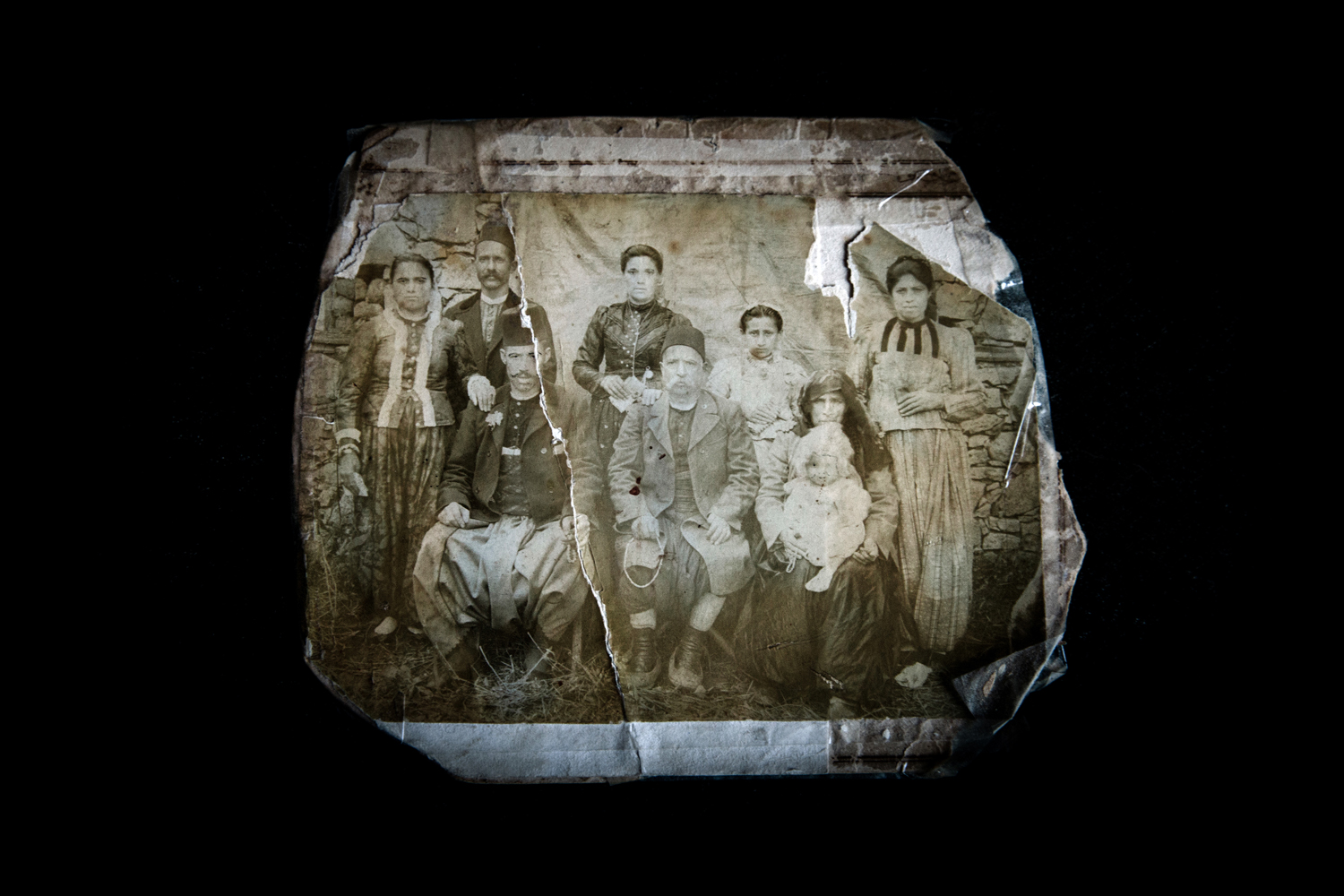
A portrait of the Sargysyan family in Kutahya, Turkey, before they were deported in 1915.
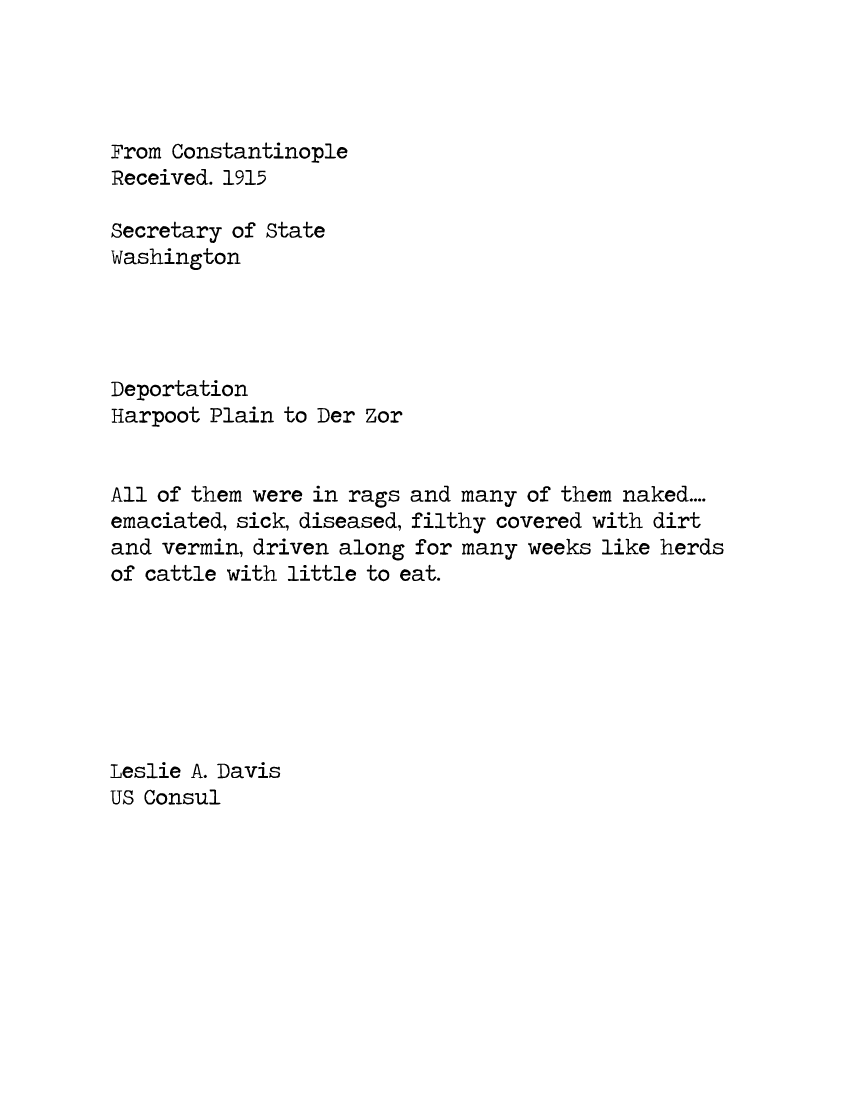
Scenes like this were common in the spring and summer months of 1915, as the Ottomans turned much of modern-day Turkey into a killing field.
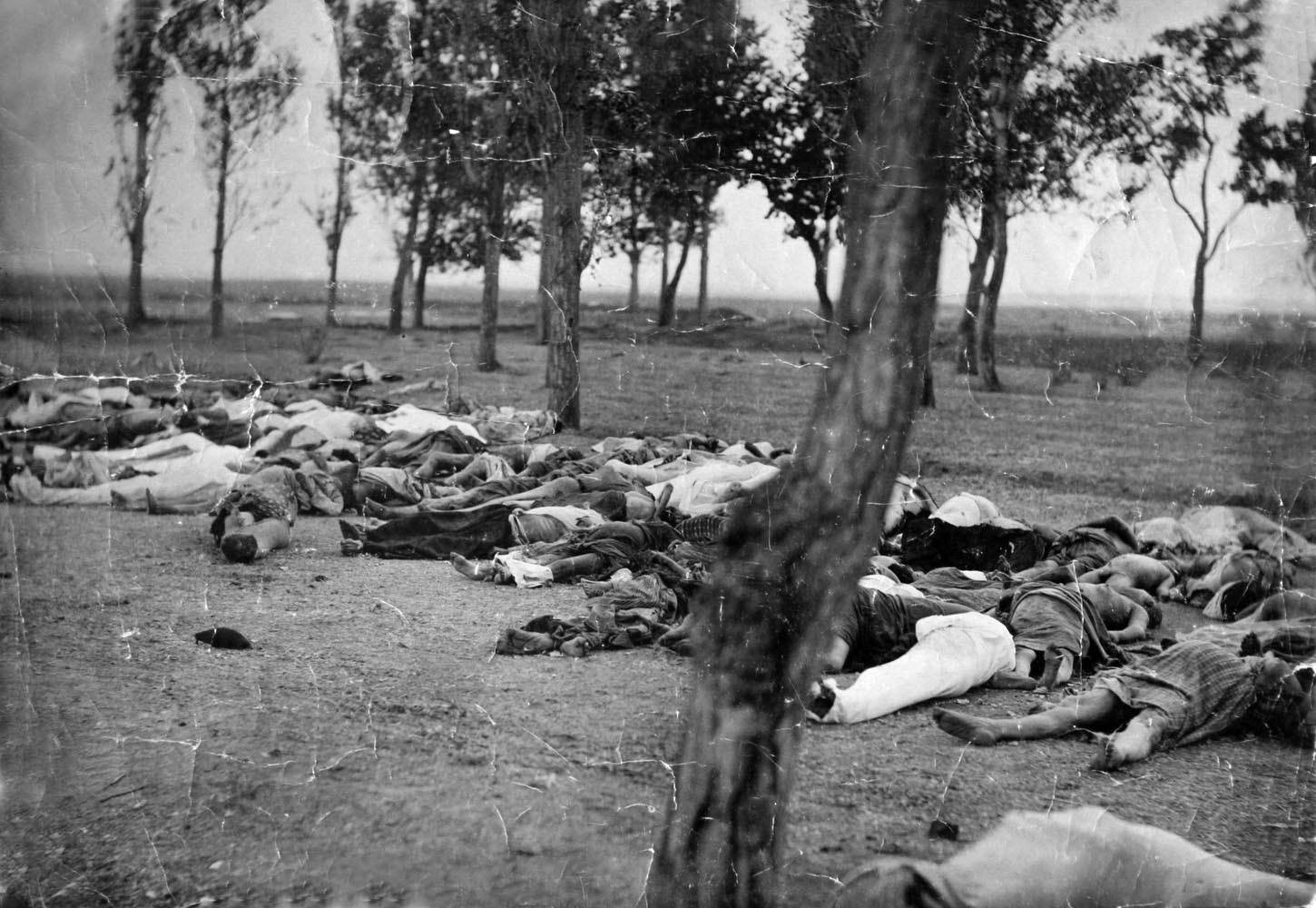
Published at Irene Carlson Gallery of Photography in Los Angeles, CA